Righteousness exalteth a nation: but sin is a reproach to any people.
Proverbs 14:24
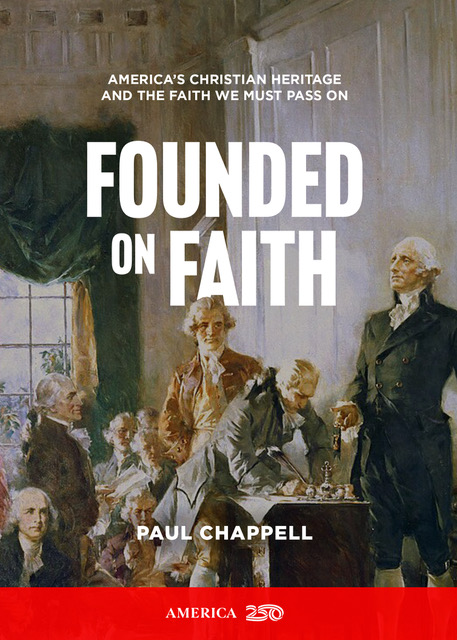
In 1926, President Calvin Coolidge delivered a speech commemorating the 150th anniversary of the Declaration of Independence. The speech acknowledged the religious foundations of America and included these words:
No one can examine this record and escape the conclusion that in the great outline of its principles the Declaration was the result of the religious teachings of the preceding period. The profound philosophy which Jonathan Edwards applied to theology, the popular preaching of George Whitefield, had aroused the thought and stirred the people of the Colonies in preparation for this great event. When we come to a contemplation of the immediate conception of the principles of human relationship which went into the Declaration of Independence we are not required to extend our search beyond our own shores. They are found in the texts, the sermons, and the writings of the early colonial clergy who were earnestly undertaking to instruct their congregations in the great mystery of how to live.
President Coolidge understood that the principles embodied in the Declaration of Independence did not appear in a vacuum. They were nurtured by generations of biblical teaching that shaped the thinking of the American colonies. Although the Founding Fathers differed in their personal beliefs, they widely acknowledged the importance of the moral and spiritual truths found in Scripture. The revolutionary idea that our rights are bestowed by our Creator rather than granted by government reflects a distinctly biblical view of human dignity.
As we celebrate the 250th anniversary of Independence Day, we should thank God for the freedoms He has graciously entrusted to us. Our greatest citizenship is in heaven, but while God has placed us in this nation, we should seek to honor Him by living as faithful Christians, praying for our leaders, and preserving a heritage that recognizes His sovereign hand in the affairs of men.